Short Courses
Saturday, November 21, 2026
Short Course 1: Bayesian Statistics and Bayesian Models for Practical Dose Finding and Dose Optimization Oncology Clinical Trials
9:00 AM-5:00 PM, November 21, 2026; Room 7A
Instructors
Ying Lu, PhD (Stanford University); Yuan Ji, PhD (The University of Chicago); Dehua Bi, PhD (Stanford Cancer Institute)
Course Description
Project Optimus from FDA aims to shift the paradigm of oncology dose selection by emphasizing the importance of finding an optimal dose with desirable efficacy and safety. Traditionally, the optimal dose in oncology is equivalent to the maximum tolerated dose (MTD), since most oncology drugs have been cytotoxic, making the highest tolerable dose also the most efficacious dose. Due to the development of targeted and immune oncology therapeutics, MTD is no longer the default optimal dose. Statistical designs solely aimed at finding the MTD therefore cannot fulfill the requirements of Project Optimus.
This short course provides a comprehensive review and introduction to practical statistical designs for dose optimization. Attendees will be exposed to the main ideas and motivations for key innovative statistical designs and strategies, enabling them to assess the strengths and limitations of different designs for their individual needs in practice.
Session 1: Brief review of Bayesian statistics and modeling. This session will expose attendees to basic concepts and techniques of Bayesian statistics, as many designs for early-phase oncology trials are Bayesian.
Session 2: Review of key dose-finding designs. Topics include, but are not limited to, 3+3, CRM, mTPI, mTPI-2 (keyboard), BOIN, i3+3, and curve-free Bayesian decision-theoretic design (CFBD) designs. The session reviews major dose-finding designs that aim to identify the MTD/OBD and sets the stage for innovative dose-optimization strategies and designs.
Session 3: Strategies and designs for oncology dose optimization. Topics include efficacy-toxicity dose-finding designs, expansion-cohort trials, backfill designs, seamless phase 1-2 designs, PK-empowered dose finding, and randomized dose comparison.
Session 4: Q&A. Available software and tools will be illustrated throughout the short course.
About the Instructors
Ying Lu, PhD
Stanford University
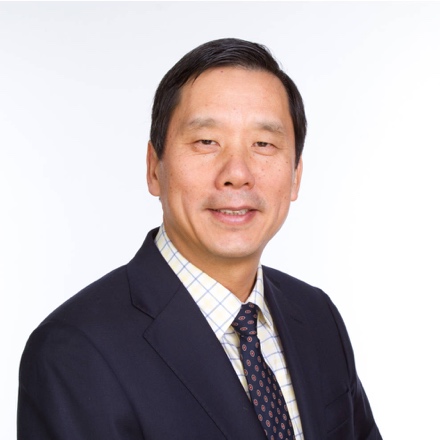
Ying Lu is Professor in the Department of Biomedical Data Science and, by courtesy, in the Department of Radiology and Department of Health Research and Policy at Stanford University. He is Co-Director of the Stanford Center for Innovative Study Design and the Biostatistics Core of the Stanford Cancer Institute. Before his current position, he was Director of the VA Cooperative Studies Program Palo Alto Coordinating Center (2009-2016) and Professor of Biostatistics and Radiology at the University of California, San Francisco (1994-2009). His research areas include biostatistical methodology and applications in clinical trials, statistical evaluation of medical diagnostic tests, and medical decision-making. He serves as biostatistical associate editor for JCO Precision Oncology and co-editor of the Cancer Research Section of the New England Journal of Statistics and Data Science. Dr. Lu is an elected Fellow of the American Association for the Advancement of Science and the American Statistical Association. He initiated the Stat4Onc Annual Symposium with Dr. Ji and Dr. Kummar in 2017 and is the principal investigator of the R13 NCI grant for this conference.
Yuan Ji, PhD
The University of Chicago
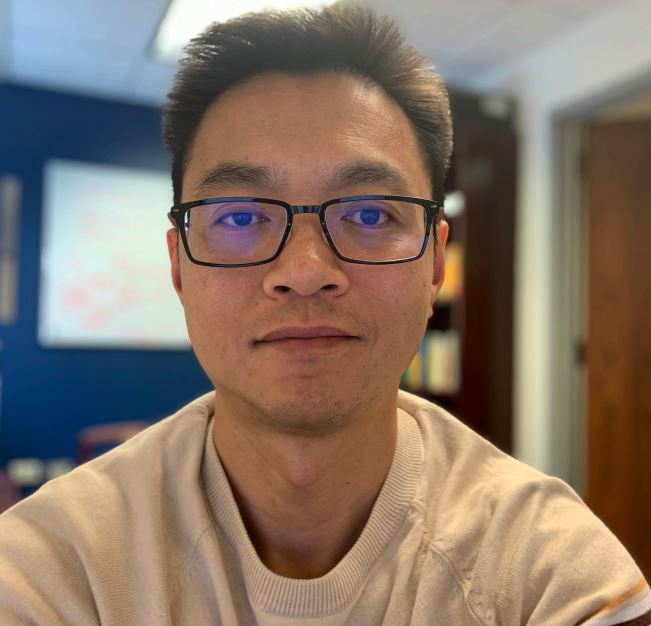
Yuan Ji is Professor of Biostatistics at The University of Chicago. His research focuses on innovative Bayesian statistical methods for translational cancer research. He is the inventor of Bayesian adaptive designs such as the mTPI and i3+3 designs, which have been widely applied in dose-finding clinical trials worldwide. His work on cancer genomics was reported by numerous media outlets in 2015. He received the Mitchell Prize from the International Society for Bayesian Analysis in 2015 and is an elected Fellow of the American Statistical Association.
Dehua Bi, PhD
Stanford Cancer Institute
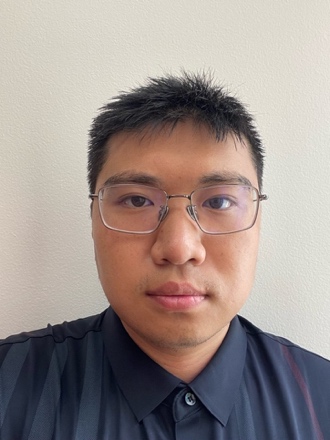
Dehua Bi is a biostatistician specializing in Bayesian parametric and nonparametric methods for clinical trial design, survival analysis, and machine-learning applications. He is currently a postdoctoral fellow at the Stanford Cancer Institute, jointly mentored by Dr. Ying Lu and Dr. Crystal Mackall. Dr. Bi earned his PhD from The University of Chicago under the mentorship of Dr. Yuan Ji. His research focused on developing novel Bayesian methods for information borrowing, Bayesian transfer learning, digital twins, designing early-phase clinical trials, and creating flexible sample-size estimation and adaptation approaches under the Bayesian framework.
Short Course 2: Decentralized Clinical Trials: Design, Conduct, and Analysis in the Digital Era
9:00 AM-12:30 PM, November 21, 2026; Room 7B
Instructors
Jie Chen, PhD (Taimei Intelligence Biopharma R&D Ltd.); Feinan Lu, MS (IMPACT Therapeutics)
Course Description
This short course describes decentralized clinical trials (DCTs), for which some or all activities are conducted outside traditional sites using digital health technologies (DHTs), such as wearables and telemedicine, for remote data collection in real-world settings. Unlike site-confined traditional clinical trials, DCTs can enhance access, recruitment, retention, diversity, and real-world evidence generation, and can be fully decentralized, hybrid, explanatory, or pragmatic.
Key elements include DHT selection using the V3 fit-for-purpose framework, AI integration, remote screening and consent, medication dispensing, data acquisition, and endpoint assessment. Regulatory guidance from FDA, ICH, and EMA emphasizes rationale, planning, DHT validation, and good clinical practice compliance. Statistical challenges include estimands, heterogeneous populations, intercurrent events such as DHT malfunctions, variability, sample size, bias, missing data, and analysis planning. Examples will address the necessity of DCTs during the COVID-19 pandemic, operational benefits, scientific questions, endpoint validation, and platform feasibility.
This short course is based on materials from Clinical Trials in the Era of Real-World Evidence by Chen, Ting, and Lu (2026, Wiley).
Course Agenda
- Introduction to DCTs: Definition and spectrum; comparison with traditional site-confined trials; access, recruitment, retention, diversity, and real-world evidence.
- Technologies and operational elements: DHT selection using the V3 framework; remote screening and consent, medication dispensing, data acquisition, endpoint assessment, AI integration, and practical implementation.
- Regulatory, ethical, and oversight aspects: FDA, ICH, and EMA guidance; DHT validation; good clinical practice compliance; ethical considerations and oversight.
- Statistical challenges and approaches: Estimands, intercurrent events, variability, bias, missing data, sample size, and analysis plans.
- Case examples and closing: COVID-19 and other operational and scientific applications, platform trials, key takeaways, best practices, and Q&A.
About the Instructors
Jie Chen, PhD
Taimei Intelligence Biopharma R&D Ltd.
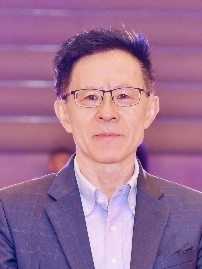
Jie Chen is Chairman and Chief Scientific Officer of Taimei Intelligence Biopharma R&D Ltd. With more than 30 years of experience in biopharmaceutical research and development, he has contributed to the design, analysis, and regulatory submission of more than 50 clinical trials, supporting the approval of over 10 drugs across oncology, cardiovascular, infectious diseases, and other therapeutic areas. He previously held senior roles at Merck, Merck Serono, Novartis, AstraZeneca, and Overland Pharmaceuticals. An elected Fellow of the American Statistical Association and an active leader in real-world evidence and artificial intelligence, Dr. Chen serves as an industry doctorate advisor in public health at Fudan University. He has authored more than 60 peer-reviewed papers and three books.
Feinan Lu, MS
IMPACT Therapeutics

Feinan Lu is Director of Biometrics at IMPACT Therapeutics. She has more than 10 years of experience in biopharmaceutical research and drug development, with expertise in clinical trial design, statistical analysis, and global regulatory submissions to health authorities including the NMPA, FDA, and EMA. Her experience spans more than 10 pivotal clinical trials, and she previously worked as a statistician at Siemens Healthineers, Caidya, and Overland Pharmaceuticals. Her research interests focus on oncology clinical trial design, including adaptive designs, single-arm trials, and centralized statistical monitoring. She has been an invited speaker at industry conferences, has co-authored publications on oncology trial design and single-arm studies, and is a co-author of Clinical Trials in the Era of Real-World Evidence.
Short Course 3: Causal generalist medical AI: turning scattered evidence into causal knowledge and clinical action
1:30-5:00 PM, November 21, 2026; Room 7B
Instructor
Hongtu Zhu, PhD (University of North Carolina at Chapel Hill)
Course Description
Medical AI has learned to see and to summarize, but not to answer the question that faces every clinician: what would happen to this patient if we acted differently? Biomedical knowledge continues to grow, yet it remains scattered across studies that each reveal only part of the disease process. What has not kept pace is the causal understanding of disease needed to guide research and intervention. Here we propose causal generalist medical AI (CGM-AI), which links a dynamic, disease-centric causal knowledge graph (DCKG) with a research and clinical translation platform in a continuous learning loop. The DCKG brings together evidence across biological scales, connecting genes, drugs, diseases and their contexts through causal relationships and shared mechanisms that support reasoning across conditions and tasks. The platform draws on this evolving understanding to inform actions in research and clinical practice, while the resulting evidence returns to the DCKG to support or challenge claims or revise their scope. We outline a six-stage pathway in which advances in foundation models, AI agents, multimodal data and causal inference can strengthen each stage, while the central aim remains to build causal knowledge that grows through its use and improves the decisions it informs.
About the Instructor
Hongtu Zhu, PhD
University of North Carolina at Chapel Hill
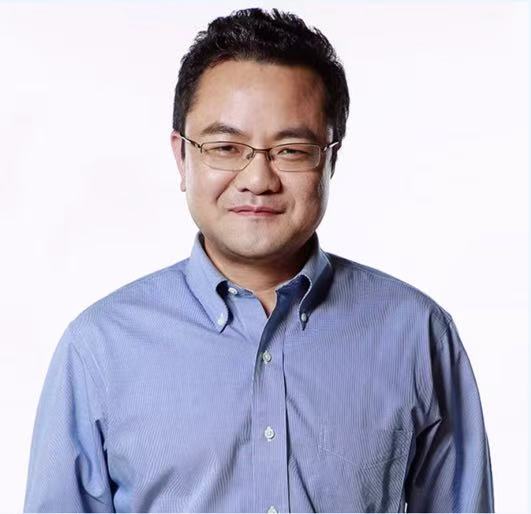
Dr. Hongtu Zhu is the Kenan Distinguished Professor of Biostatistics, Statistics, Radiology, Computer Science and Genetics at the University of North Carolina at Chapel Hill. He was a DiDi Fellow and Chief Scientist of Statistics at DiDi Chuxing between 2018 and 2020 and held the Endowed Bao-Shan Jing Professorship in Diagnostic Imaging at MD Anderson Cancer Center between 2016 and 2018. He is an internationally recognized expert in statistical learning, medical image analysis, precision medicine, biostatistics, artificial intelligence, and big data analytics. He received an established investigator award from the Cancer Prevention Research Institute of Texas in 2016, the INFORMS Daniel H. Wagner Prize for Excellence in Operations Research Practice in 2019, the IMS 2027 Medallion award and Lecture, and the COPSS 2025 Snedecor Award. He has published more than 360 papers in top journals, including Nature, Science, Cell, Nature Genetics, Nature Communication, PNAS, AOS, JASA, Biometrika, and JRSSB, as well as presenting 72+ conference papers at top conferences, including meetings for NeurIPS, ICLR, ICML, AAAI, and KDD. He is the coordinating editor of JASA and the editor of JASA ACS.
Tuesday, November 24, 2026
Short Course 4: Beyond the Hazard Ratio: RMST and Other Measures for Survival Analysis
9:00 AM-5:00 PM, November 24, 2026; Room 7A
Instructors
Lu Tian, ScD (Stanford University); Hajime Uno, PhD (Harvard Medical School and Dana-Farber Cancer Institute)
Course Description
Since Professor Sir David Cox introduced the proportional hazards model and its associated inference procedures in 1972, the hazard ratio (HR) has been routinely used to quantify treatment effects on time-to-event endpoints. Cox regression has also been widely used for association and prediction analyses. Ideally, a summary measure of treatment effect should be model-free so that its validity does not depend on correct specification of a statistical model. The HR, however, is not such a measure. Common alternatives based on either median failure time or the event rate at a prespecified time point are local measures and therefore do not capture the overall short- and long-term survival profile.
The validity and interpretability of the HR estimate depend on the proportional hazards assumption. When this assumption is violated, the HR estimate can be difficult, if not impossible, to interpret. The parameter estimated by the empirical HR is not simply a weighted average of the time-varying HR and generally depends on the censoring distributions. Moreover, even when the proportional hazards assumption is plausible, it can be difficult to translate a single ratio into the clinical utility of a new treatment without a reference hazard level.
This short course illustrates these limitations and presents alternative summary measures for time-to-event outcomes. It introduces the tau-year mean survival time, also known as restricted mean survival time (RMST), which represents the expected event-free time accumulated up to a prespecified time point. The course covers its interpretation, statistical inference, and applications in clinical study design and analysis. It also introduces average hazard (AH) as a complementary summary measure.
Topics
- Basics of survival data analysis, including censoring, Kaplan-Meier estimation, log-rank tests, and Cox regression
- Issues with the hazard ratio
- Restricted mean survival time
- Power comparisons between RMST-based and HR-based tests
- Empirical choice of a truncation time for RMST
- Study design based on RMST
- RMST for stratified survival analysis and non-inferiority trials
- RMST to quantify long-term survival benefit and assess duration of response
- RMST in the presence of competing risks and for recurrent event-time data
- Average hazard as an extension of RMST
About the Instructors
Lu Tian, ScD
Stanford University
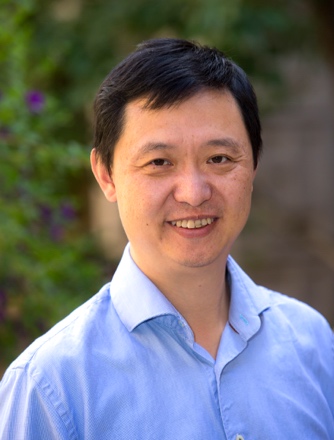
Lu Tian is Professor in the Department of Biomedical Data Science at Stanford University. He received his Doctor of Science degree in Biostatistics from Harvard University. Dr. Tian has extensive experience in statistical methodological research and study design for randomized clinical trials. He has published more than 300 research papers in statistical and clinical journals and is an elected Fellow of the American Statistical Association. His current research interests include developing statistical methods in precision medicine, meta-analysis, randomized clinical trials, and survival analysis.
Hajime Uno, PhD
Harvard Medical School and Dana-Farber Cancer Institute
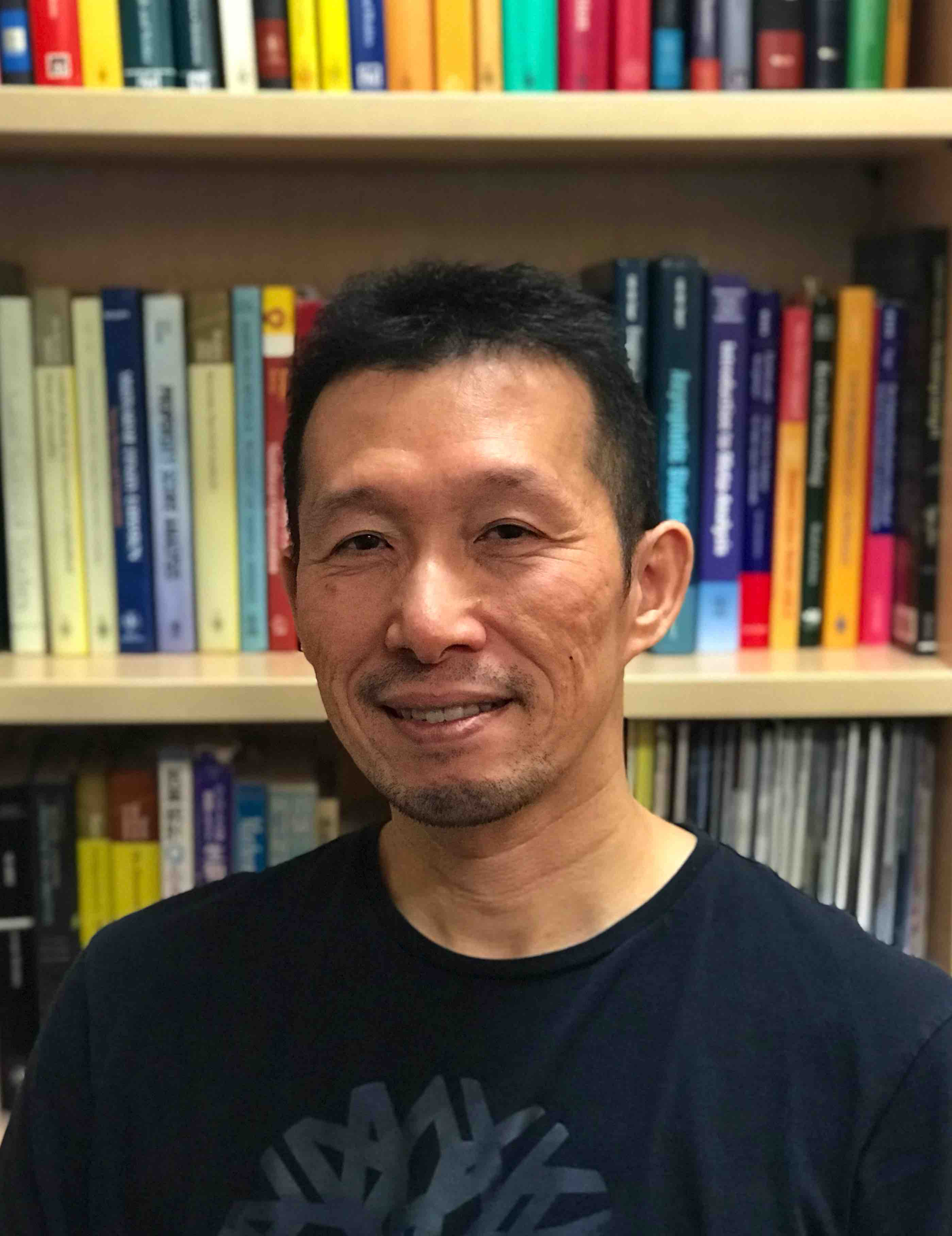
Hajime Uno is an Associate Professor of Medicine at Harvard Medical School. He serves as Principal Biostatistician and Director of the Statistical Programming Core in the Division of Population Sciences at Dana-Farber Cancer Institute. Dr. Uno received his PhD in Biostatistics from Kitasato University in Japan and completed postdoctoral training at the Harvard School of Public Health. Since then, he has contributed extensively to both methodological and clinical research. His current research focuses on improving the practice of survival analysis in clinical research and promoting alternative approaches that support informed treatment decision-making.
Short Course 5: Biomarker-Driven Trials for Precision Oncology
9:00 AM-12:30 PM, November 24, 2026; Room 7B
Instructors
Susan Halabi, PhD (Duke University Medical Center); Junki Mizusawa, PhD (National Cancer Center Japan)
Course Description
Advances in molecular and genomic technologies have transformed cancer research by enabling the identification of tumor-specific biomarkers that can guide treatment selection and improve patient outcomes. These developments have fueled the growth of precision oncology and innovative clinical trial designs that evaluate targeted therapies in biomarker-defined patient populations.
Despite the increasing use of biomarkers in oncology trials, many statisticians and clinicians encounter these studies without a comprehensive understanding of the scientific, statistical, and operational challenges involved in their design, conduct, and interpretation. There is no single biomarker trial design that suits all settings. The optimal design depends on factors such as the level of evidence supporting the biomarker, disease prevalence, assay performance, and clinical objectives.
This half-day workshop provides a practical introduction to the design, conduct, and analysis of biomarker-driven clinical trials. Topics include enrichment designs, biomarker-stratified designs, adaptive biomarker strategies, basket trials, umbrella trials, and biomarker-based master protocols. Participants will learn how to select an appropriate design based on the clinical and scientific context, evaluate key statistical considerations, and address common logistical and operational challenges. The workshop emphasizes real-world applications through illustrative examples from successful oncology trials.
Learning Objectives
- Understand the role of biomarkers in contemporary oncology trial design.
- Compare enrichment, stratified, basket, umbrella, and master-protocol designs.
- Apply practical principles for selecting and implementing biomarker-driven trial designs.
About the Instructors
Susan Halabi, PhD
Duke University Medical Center
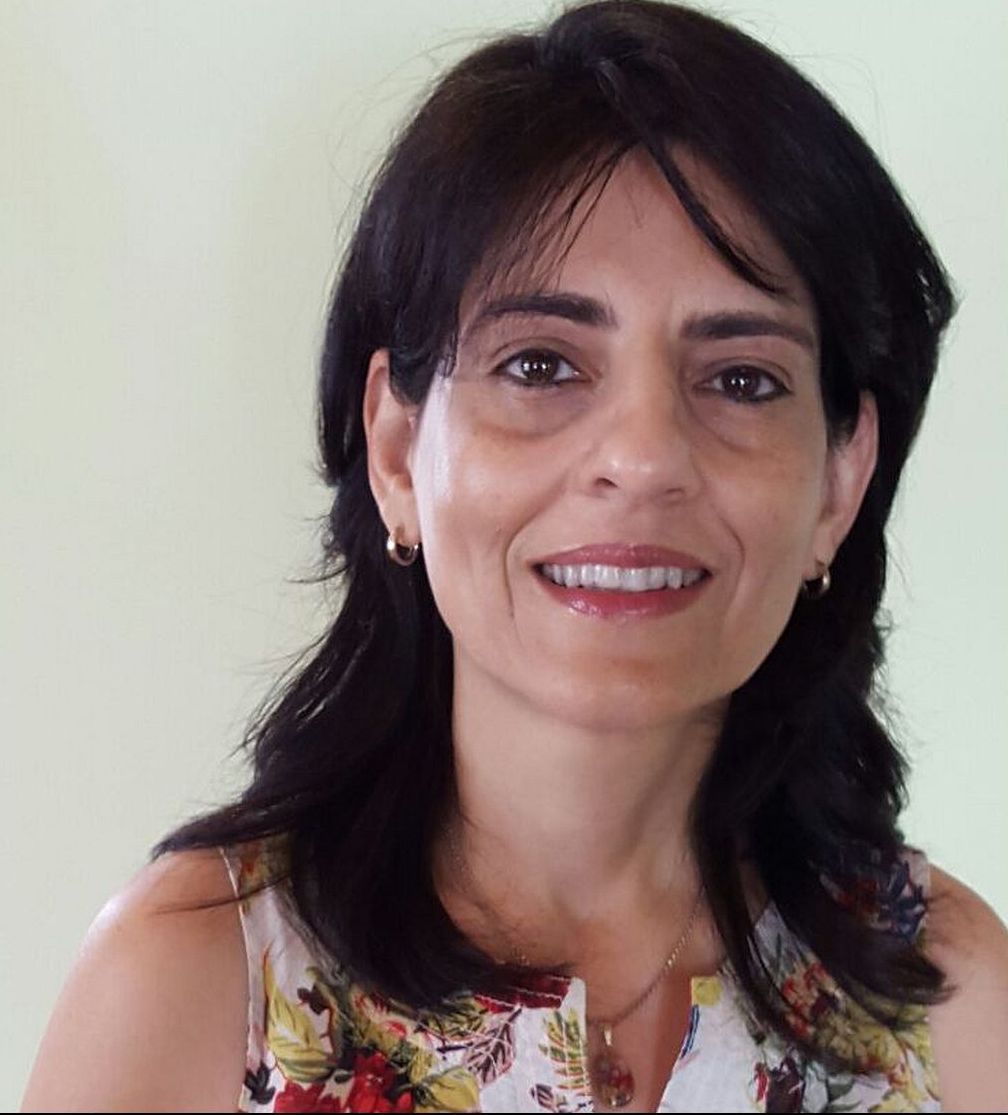
Susan Halabi, PhD, is the James B. Duke Distinguished Professor of Biostatistics and Bioinformatics and Co-Chief of the Division of Biostatistics, Department of Biostatistics and Bioinformatics at Duke University Medical Center. For more than 25 years, she has been a leader in the design and analysis of oncology clinical trials, developing innovative statistical methods for clinical studies, biomarkers, and high-dimensional data. Her research has made significant contributions to prognostic modeling in prostate cancer and the identification and validation of surrogate endpoints for overall survival. Dr. Halabi has authored more than 330 peer-reviewed publications and co-edited two foundational books, Oncology Clinical Trials (2nd Edition, Demos, 2018) and Textbook of Clinical Trials in Oncology (CRC Press, 2019). A past president of the Society for Clinical Trials, she is a Fellow of the Society for Clinical Trials, the American Statistical Association, and the American Society of Clinical Oncology, and has received numerous prestigious awards for her contributions to biostatistics and oncology research.
Junki Mizusawa, PhD
National Cancer Center Japan
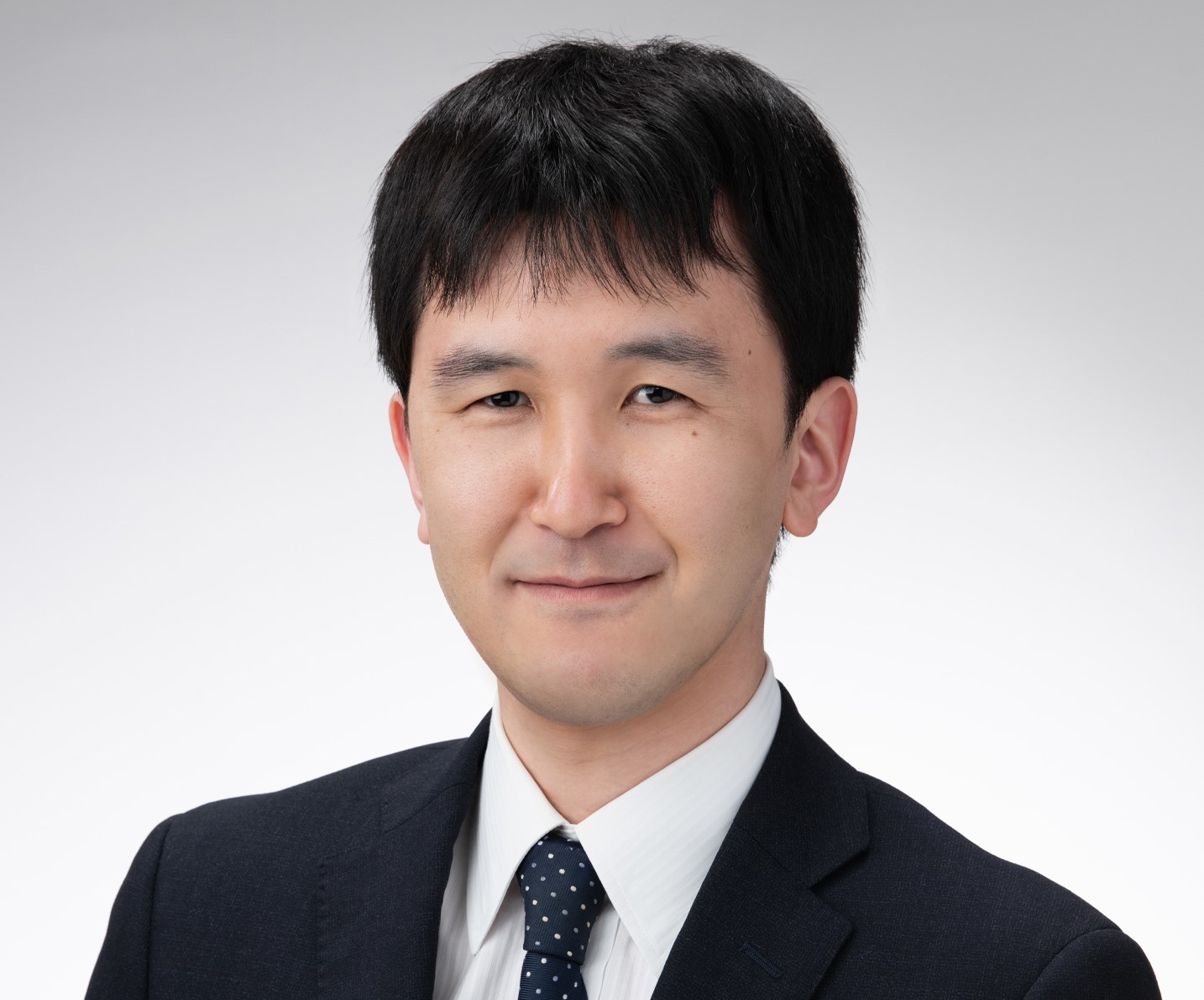
Junki Mizusawa, PhD, is Section Chief of Biostatistics at the Center for Research Administration and Support, National Cancer Center Japan (NCCJ). With more than 15 years of experience, he has played a central role as a trial statistician in the Japan Clinical Oncology Group (JCOG), contributing to the planning, analysis, and publication of numerous multi-institutional confirmatory cancer clinical trials. His work has focused on multicenter trials in gastrointestinal, hepatobiliary and pancreatic, head and neck, and brain tumors, as well as investigator-initiated studies. Dr. Mizusawa received his PhD from Tokyo Medical and Dental University in 2024. His research interests include master protocols, quality of life, and pragmatic trials.
Short Course 6: Statistical Methods Addressing Treatment Switching in Oncology Trials
1:00-4:00 PM, November 24, 2026; Room 7B
Instructors
Ray Lin, PhD (ASA Biopharmaceutical Section and Chang Gung University); Shingo Kuroda, MS (Takeda); Shuji Sumino, MEng (Takeda); Tadayuki Kitagawa, MS (Takeda); Xiaolin Song, PhD (Takeda)
Course Description
In oncology randomized controlled trials (RCTs), treatment switching may occur when a patient in the control arm crosses over to the investigational treatment (one-way treatment switching) or when a patient in either arm switches to subsequent therapies (two-way treatment switching), particularly upon experiencing disease progression. Such switching can introduce selection bias and time-dependent confounding, making it challenging to estimate the true treatment benefit on overall survival (OS). Consequently, advanced statistical methods are essential to control for confounding, minimize estimation bias, and ensure a robust assessment of OS.
This short course is presented by Takeda and the Oncology Treatment Switch Workstream under the American Statistical Association (ASA) Biopharmaceutical Section. Established in 2022, the ASA Workstream aims to develop a cross-pharma platform providing a comprehensive tutorial, a validated software package, and practical considerations for study design and implementation related to treatment switching.
The short course provides an overview of major statistical approaches, including the Rank-Preserving Structural Failure Time Model (RPSFTM), Inverse Probability of Censoring Weighting (IPCW), Two-Stage Estimation (TSE), and Marginal Structural Models (MSM). Participants will gain a basic understanding of how these methods work, their core assumptions, and their respective strengths and limitations. Regulatory context, practical considerations, and case studies will also be presented to guide the application of each method in actual clinical trials.
Course Agenda
| Time | Topic |
|---|---|
| 1:00-1:20 PM | Introduction |
| 1:20-3:40 PM |
Introduction to Statistical Methods for Addressing Treatment
Switching:
|
| 3:40-4:00 PM | Final Remarks |
Ray Lin, PhD
ASA Biopharmaceutical Section and Chang Gung University
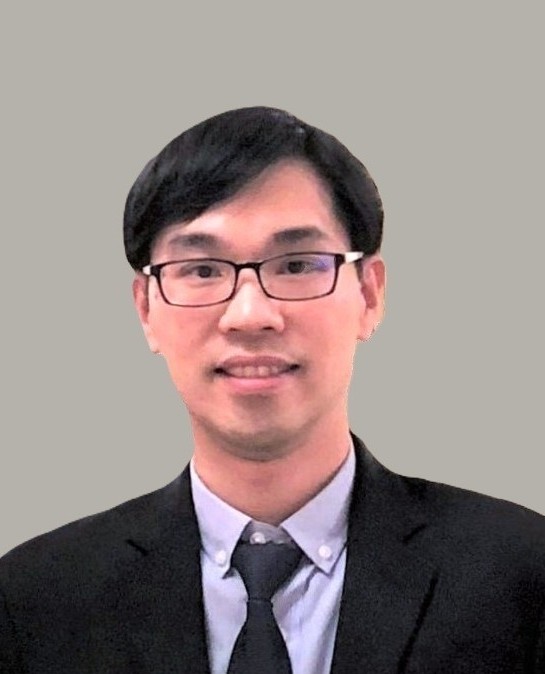
Ray Lin is a member of the American Statistical Association (ASA) and co-leads the ASA Biopharmaceutical Section Oncology Treatment Switch Workstream. He has worked in the biopharmaceutical industry for 15 years, supporting oncology programs from first-in-human trials through regulatory approval. He participates in multiple cross-company collaborations, including the Cross-Pharma Non-Proportional Hazards Working Group, ASA Oncology Estimand Taskforce, and Friends of Cancer Research. He also serves on the officers team of the ASA San Francisco Bay Area Chapter and the Bay Area Biopharma Statistics Workshop (BBSW). He earned his PhD from Stanford University in 2010.
Shingo Kuroda, MS
Director, Statistical & Quantitative Sciences, Takeda Pharmaceutical Company
Shingo Kuroda is Director, Statistical & Quantitative Sciences at Takeda Pharmaceutical Company. He studied mathematical statistics at the University of Tsukuba and joined Takeda in 2009 as a biostatistician. He has supported drug development across multiple therapeutic areas, including cardiovascular, oncology, and gastroenterology, and has contributed to activities related to missing data and estimands through the Japan Pharmaceutical Manufacturers Association (JPMA). He currently leads the statistical methodology team in Japan. His research interests include estimands, causal inference, precision medicine, principal stratification, and Bayesian dynamic borrowing.
Shuji Sumino, MEng
Director of Biostatistics (Oncology), Takeda Pharmaceutical Company
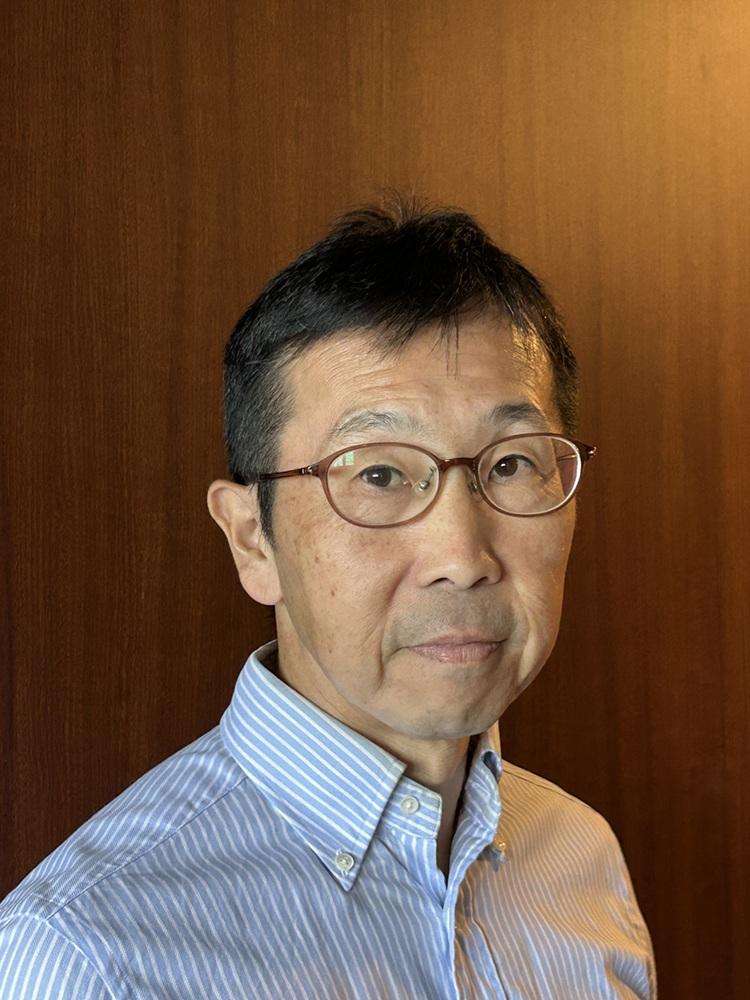
Shuji Sumino is Director of Biostatistics (Oncology) at Takeda Pharmaceutical Company. He received a Master of Engineering from Tokyo University of Science in 1998 and began his career as a biostatistician that year. He joined Takeda in 2005 and has supported drug development across a range of therapeutic areas, including cardiovascular, obesity, vaccines, and oncology. He now supports oncology drug development programs, leads biostatistical activities, and supports regulatory interactions and submissions in Japan. He serves as a JPMA representative on the ICH E20 Expert Working Group. His research interests include treatment-switching adjustment methods and multi-regional clinical trials.
Tadayuki Kitagawa, MS
Manager of Biostatistics (Oncology), Takeda Pharmaceutical Company
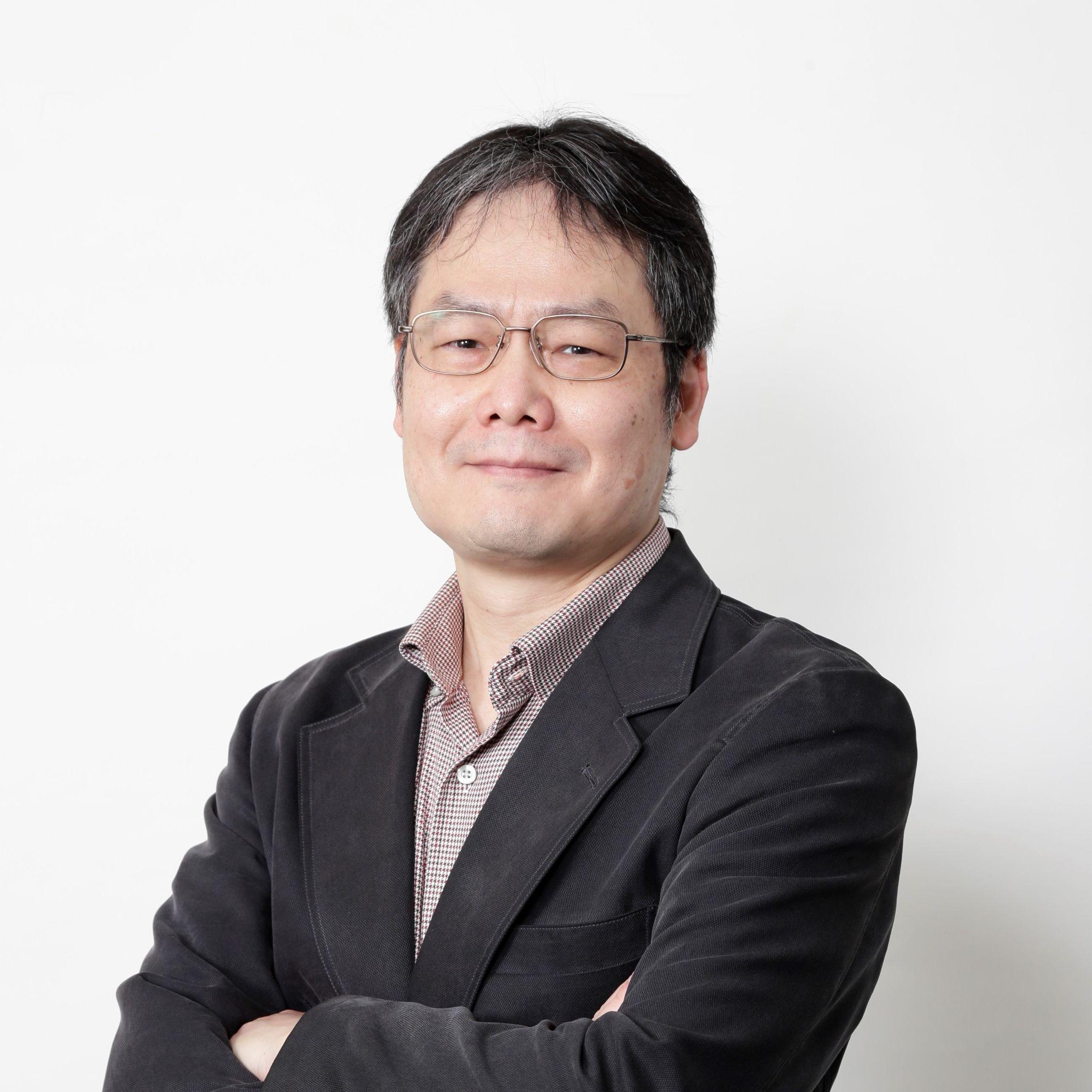
Tadayuki Kitagawa is Manager of Biostatistics (Oncology) at Takeda Pharmaceutical Company. He studied mathematics at Osaka University and began his career as a biostatistician in 1995, working at Mitsubishi Tanabe Pharma and Eli Lilly Japan before joining Takeda in 2012. He has supported drug development across multiple therapeutic areas, including neuroscience, gastroenterology, and oncology, and now focuses on oncology, including regulatory submissions in Japan. His research interests include treatment-switching adjustment methods.
Xiaolin Song, PhD
Biostatistician, Takeda Pharmaceutical Company
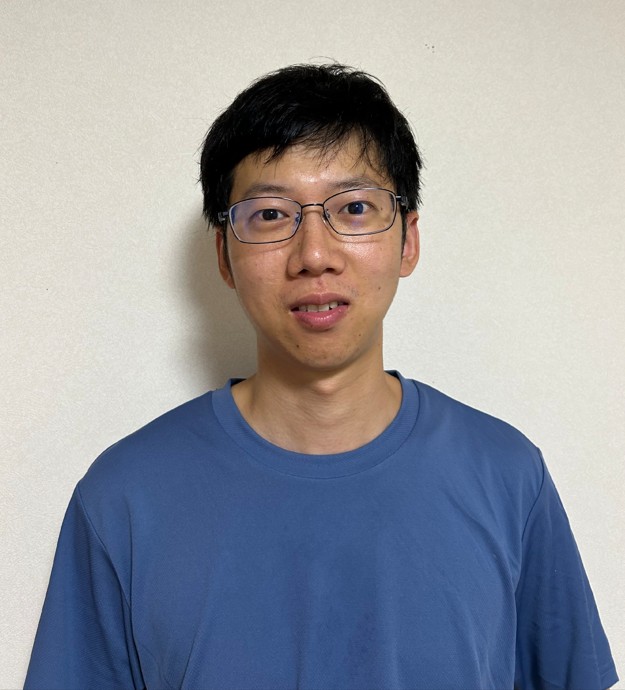
Xiaolin Song received his PhD from Osaka University, with a dissertation focused on Bayesian statistical computing. Since 2022, he has worked as a biostatistician at Takeda, supporting clinical studies in oncology. His current research interests include covariate adjustment in randomized studies, mediation analysis, and machine-learning methods in biostatistics.