Invited Session 2: Emerging Trends in Oncology Drug Development - Regulatory, Statistical, and Clinical Perspectives
10:20-11:40 AM, November 22, 2026; Room 7C-D
Moderator: Chin-Fu Hsiao
Investigator, Institute of Population Health Sciences, National Health Research Institutes, Taiwan
Biography

Dr. Hsiao is an Investigator at the Institute of Population Health Sciences, National Health Research Institutes (NHRI), Taiwan. His research interests focus on Bayesian decision theory, adaptive clinical trial design, multiregional clinical trials, and basket trial methodology. In addition to his research, he leads the statistical and data management activities for investigator-initiated clinical trials at NHRI, overseeing study design, data management, statistical analysis, and regulatory reporting to ensure the integrity and quality of clinical research. He also collaborates extensively with multidisciplinary clinical investigators in the design, conduct, and analysis of clinical trials.
Advancing precision medicine through NGS and IIT
Speaker: Hui-Jen Tsai, National Institute of Cancer Research, National Health Research Institutes
Biography
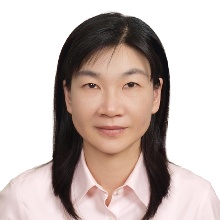
Dr. Hui-Jen Tsai is an Investigator and Attending Physician in National Institute of Cancer Research, National Health Research Institutes. She received her MD degree and PhD degree at Kaohsiung Medical University. She is a medical oncologist with clinical expertise in neuroendocrine tumors and thyroid cancer. She joined National Health Research Institutes in 2011 and did researches on neuroendocrine tumors from epidemiologic, translational, and clinical aspects, and identifying novel therapeutic targets for leukemia and solid tumors. She is also dedicated to clinical trials and is the principal investigator of several early phase investigator initiated trials (IIT) and pharma-sponsored phase III trials. She is the director of Taiwan Cooperative Oncology Group, which sponsors and overlooks the conduction of IITs in Taiwan.
Abstract
Precision medicine is an innovative approach to tailoring disease prevention and treatment that takes into account individual differences in genes, environments, and lifestyles. Precision medicine is playing an increasingly important role in cancer prevention, diagnosis, prognosis, and therapeutics. Advances in precision medicine have already led to important discoveries and FDA-approved treatments tailored to specific characteristics of individual patients. Many NGS-based diagnostic oncology panels, such as MSK-IMPACT and the NCC Oncopanel, have been established to facilitate the characterization of the mutational landscape of advanced cancers and to help guide patients toward matched targeted therapies or appropriate clinical trials. Over the past decade, an increasing proportion of clinical trials have focused on precision medicine to evaluate the efficacy and toxicity of matched targeted therapies in patients with cancer. However, clinical outcomes observed in clinical trials may differ from those in real-world settings because of the restrictive eligibility criteria commonly applied in clinical trials. Because the genetic and biological characteristics of cancers may vary across geographic regions and ethnic populations, we conducted a nationwide, multicenter registry study involving 12 cancer types in Taiwan from 2021 to 2024 under the Taiwan Cooperative Oncology Group to characterize the genomic landscape of these cancers using NGS-based oncology panel testing. In this study, we also collected real-world data, including patients’ baseline characteristics, treatment patterns, clinical outcomes, and treatment-related toxicities. We established a database integrating genomic and clinical data from more than 4,000 patients and identified significant differences in the genomic profiles of certain cancer types, such as lung cancer and urothelial cancer, compared with those reported in Western countries. Further studies on tumor neoantigens will be conducted using this database to facilitate the development of novel cancer therapeutics. NGS-based oncology panel testing has been reimbursed for multiple cancer types in Taiwan since 2025. The continued establishment and expansion of integrated genomic and clinical databases will facilitate the implementation and advancement of precision medicine in Taiwan.
Statistical Methods and Regulatory Considerations in Phase I Clinical Trials
Speaker: Tzy-Chy Lin, Division of New Drugs, Center for Drug Evaluation, Taipei, Taiwan
Biography

I currently serve as the Statistical Section Chief in the Division of New Drugs at the Center for Drug Evaluation, where I am primarily responsible for the statistical review of Investigational New Drug applications (INDs) and New Drug Applications (NDAs). My work covers clinical trial design, sample size determination, interim analyses, multiplicity adjustment, handling of missing data, sensitivity analyses, and statistical interpretation of efficacy results. I also provide professional statistical consultation to help ensure the scientific validity and appropriateness of trial designs and analytical methods.
During my tenure, I have been invited to speak or serve as a panelist at numerous domestic and international conferences related to clinical trials, biostatistics, and pharmaceutical regulation, where I share practical experience in clinical trial design, statistical methodology, and regulatory review. I have also participated in international regulatory and scientific activities, including the ICH E11A Working Group, contributing to the discussion and development of international clinical trial guidelines.
In addition, I serve as an adjunct assistant professor at National Taipei University and as a member of an Institutional Review Board, where I am involved in statistical education as well as the scientific and ethical review of human research. My professional interests focus on advances in clinical trial methodology, drug development, and regulatory science, with the goal of continuously improving the quality of statistical analysis and regulatory review through the integration of regulatory, academic, and international experience.
Abstract
Phase I clinical trials are essential for identifying a safe and appropriate dose for further clinical development. This presentation reviews key statistical and regulatory considerations in dose-escalation studies and compares three commonly used approaches: the traditional 3+3 design, the continual reassessment method (CRM), and the Bayesian optimal interval (BOIN) design. A simulation study was conducted under five dose-toxicity scenarios with a target toxicity rate of 0.30, a cohort size of three, and a maximum sample size of 42 patients. Performance was evaluated using multiple operating characteristics, including the probability of correct maximum tolerated dose (MTD) selection, proportion of patients treated at the true MTD, average sample size, estimation bias, overdose rate, dose-limiting toxicity rate, root mean square error, and coverage probability.
The 3+3 design was generally the most conservative but showed lower efficiency and MTD-selection accuracy. CRM demonstrated greater efficiency but was more aggressive in some toxicity scenarios. BOIN showed the most balanced and robust overall performance across efficacy, estimation accuracy, and safety metrics. From a regulatory perspective, dose-escalation design selection should also consider overdose control, prespecified stopping rules, model robustness, transparent decision procedures, operational feasibility, and integration of PK/PD, biomarker, and other clinical evidence for RP2D determination.
Keywords: Phase I clinical trials; dose escalation; maximum tolerated dose; BOIN; regulatory considerations
Challenges in Interpreting Treatment Effects in Modern Oncology Trials: Insights from PMDA
Speaker: Shunsuke Shiota, Pharmaceuticals and Medical Devices Agency (PMDA), Japan
Biography

Shunsuke Shiota is a biostatistics reviewer in the Office of New Drug V at the Pharmaceuticals and Medical Devices Agency (PMDA), Japan. He is responsible for the statistical review of anticancer drug applications, with a focus on the design, analysis, and interpretation of confirmatory oncology clinical trials.
Abstract
In modern oncology trials, the interpretation of estimated treatment effects depends critically on how the estimands are specified—for example, how events are defined and how intercurrent events are handled, as framed by ICH E9(R1). Although such specifications may appear to be matters of detail, these choices can substantially change what estimated treatment effects represent, and therefore how the resulting evidence should be understood. Drawing on the presenter's experience in the statistical review of oncology trials at the Pharmaceuticals and Medical Devices Agency (PMDA), this presentation examines these challenges through two concrete case examples. The first illustrates the impact of informative censoring, showing how the handling of certain intercurrent events can affect the estimated treatment effects. The second illustrates how the definition of events can shape the estimated treatment effects, potentially yielding results that require careful interpretation. Through these examples, the presentation aims to foster shared understanding between clinicians and statisticians, thereby supporting more reliable evidence generation in cancer clinical trials.
Generative AI in Oncology Clinical Trials
Speaker: Kenichi Nakamura, Department of International Clinical Development, National Cancer Center Hospital, Tokyo, Japan
Biography

Kenichi Nakamura is Chief of the Department of International Clinical Development and Executive Advisor to the Hospital Director at the National Cancer Center Hospital, Tokyo, Japan. He received his medical degree from Kyoto University in 1999, a PhD in Surgical Oncology from Kyoto University in 2016, and an MBA from GLOBIS University in 2022. After seven years of surgical training, he joined the National Cancer Center to participate in the management and operation of the Japan Clinical Oncology Group (JCOG), Japan's largest cancer clinical trial group. Since 2015, he has led the development of a department that supports investigator-initiated registration trials at the National Cancer Center Hospital. In 2020, Dr. Nakamura initiated the ATLAS project to establish a multinational clinical trial network across Asian countries. His work also focuses on decentralized clinical trials, the application of generative AI to clinical trial processes, and modernization of Japan's clinical trial regulations.
Abstract
Generative AI is rapidly changing how clinical trials are planned, conducted, and reported. Applications include protocol development, patient–trial matching, site selection, data management, statistical analysis, preparation of clinical study reports (CSRs), and regulatory review.
National Cancer Center Hospital has developed a generative AI tool that drafts CSRs from clinical trial protocols and statistical analysis reports. The system combines large language models with retrieval-augmented generation, allowing users to trace generated statements to their source documents. After adaptation for different trials, 97% of 112 evaluated CSR sections were usable with no or limited revision. Remaining problems included missing information required by ICH E3, insufficient explanation of study design, and duplicated text. Generative AI can therefore reduce the time and cost of document preparation, although human review remains essential.
Generative AI may also improve recruitment by identifying potentially eligible patients from electronic health records and matching them with appropriate trials. Other applications include optimizing eligibility criteria and site selection, predicting trial outcomes, and detecting operational or data-quality risks.
In April 2026, the FDA launched its Real-Time Clinical Trials initiative, in which selected endpoints and safety signals are reported to the agency as a trial progresses, with AI-enabled technologies supporting faster and better-informed decisions. This approach aims to strengthen safety monitoring, accelerate early go/no-go decisions, and reduce gaps between development phases, ultimately enabling continuous clinical development.
To realize these benefits, AI outputs must be transparent, traceable, reproducible, and appropriately validated. Data security, algorithmic bias, statistical reliability, and regulatory accountability must also be addressed. Generative AI should be viewed as a support tool that can make oncology drug development faster and more efficient.
Additional speaker biographies, presentation titles, and abstracts will be posted when received.