Invited Session 5: Treatment Switching in Oncology Trials: Methods, Applications, and Regulatory Perspectives
10:10-11:30 AM, November 23, 2026; Location TBD
Session Abstract
Overall survival (OS) remains the gold standard endpoint for evaluating clinical benefit in oncology trials and is increasingly recognized as an important component of the overall benefit-risk assessment. In August 2025, the FDA issued draft guidance emphasizing the importance of assessing OS as a safety endpoint in evaluating the overall benefit-risk profile of a treatment, regardless of whether OS is incorporated as an efficacy endpoint.
Treatment switching occurs when a patient crosses over to the investigational treatment or switches to non-protocol subsequent therapies. Under the ICH E9(R1) estimand framework, treatment switching is often considered as an intercurrent event. Because treatment switching may be associated with patients' baseline or evolving post-baseline characteristics, such as prognosis and disease status, naive analyses may be subject to systematic selection bias and time-dependent confounding. If not addressed appropriately, the resulting treatment effect estimate may underestimate a true benefit or miss a true detrimental effect. Statistical methods that address confounding, reduce estimation bias, and provide a more appropriate assessment of OS are therefore highly valuable.
In this session, the Treatment Switch Workstream in the American Statistical Association Biopharmaceutical Section (ASA BIOP) will share its current efforts on this topic. Experts from industry, academia, and regulatory agencies will participate in a panel discussion on case studies, practical considerations in study design and supporting analysis strategy, regulatory considerations, and payer perspectives.
Ray Lin, PhD
Panelist: College of Intelligent Computing, Chang Gung University, Taiwan / ASA BIOP
Biography
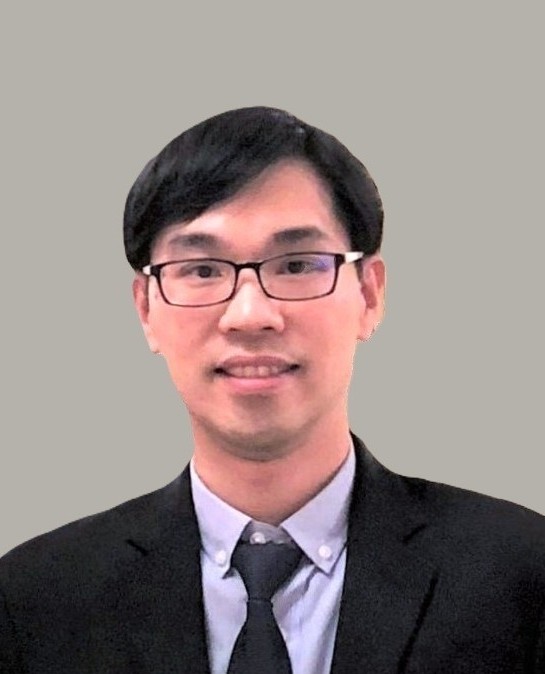
Dr. Ray Lin is a Professor at the College of Intelligent Computing, Chang Gung University. He is a member of the American Statistical Association (ASA) and co-leads the ASA Biopharmaceutical Section Oncology Treatment Switch Workstream. He has worked in the biopharmaceutical industry for 15 years, supporting oncology programs from first-in-human trials through regulatory approval. He participates in multiple cross-company collaborations, including the Cross-Pharma Non-Proportional Hazards Working Group, ASA Oncology Estimand Taskforce, and Friends of Cancer Research. He also serves on the officers team of the ASA San Francisco Bay Area Chapter and the Bay Area Biopharma Statistics Workshop (BBSW). He earned his PhD from Stanford University in 2010.
Tom Wei-Wu Chen, MD, PhD
Panelist: Department of Oncology, National Taiwan University Hospital, Taiwan
Biography
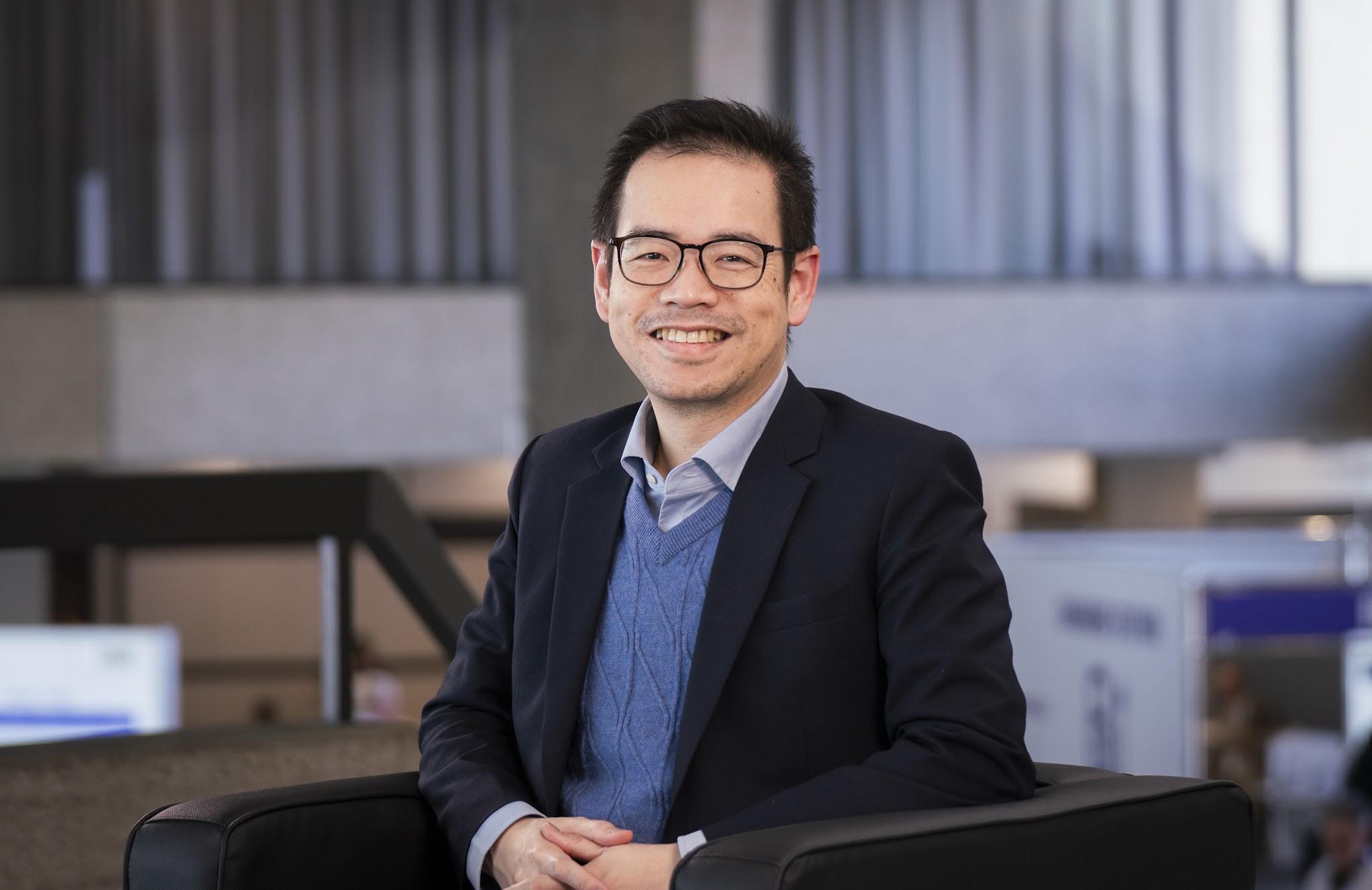
Dr. Tom Wei-Wu Chen is a medical oncologist at National Taiwan University Hospital and a Clinical Assistant Professor at National Taiwan University College of Medicine. His clinical and research interests focus on sarcoma and breast cancer, with particular emphasis on investigator-initiated trials and biomarker-driven therapeutic development. He has led and participated in multicenter clinical trials across Taiwan and international collaborative groups, contributing to trial conception, design, conduct, and interpretation. He also serves as a Consultant Editor for the Journal of Clinical Oncology and holds leadership roles in several oncology research organizations. His work closely integrates clinical insight, translational science, and statistical methodology to address practical challenges in oncology trial design.
Hiroshi Kuriki, MEng
Panelist: Chugai Pharmaceutical Co., Ltd., Japan
Biography
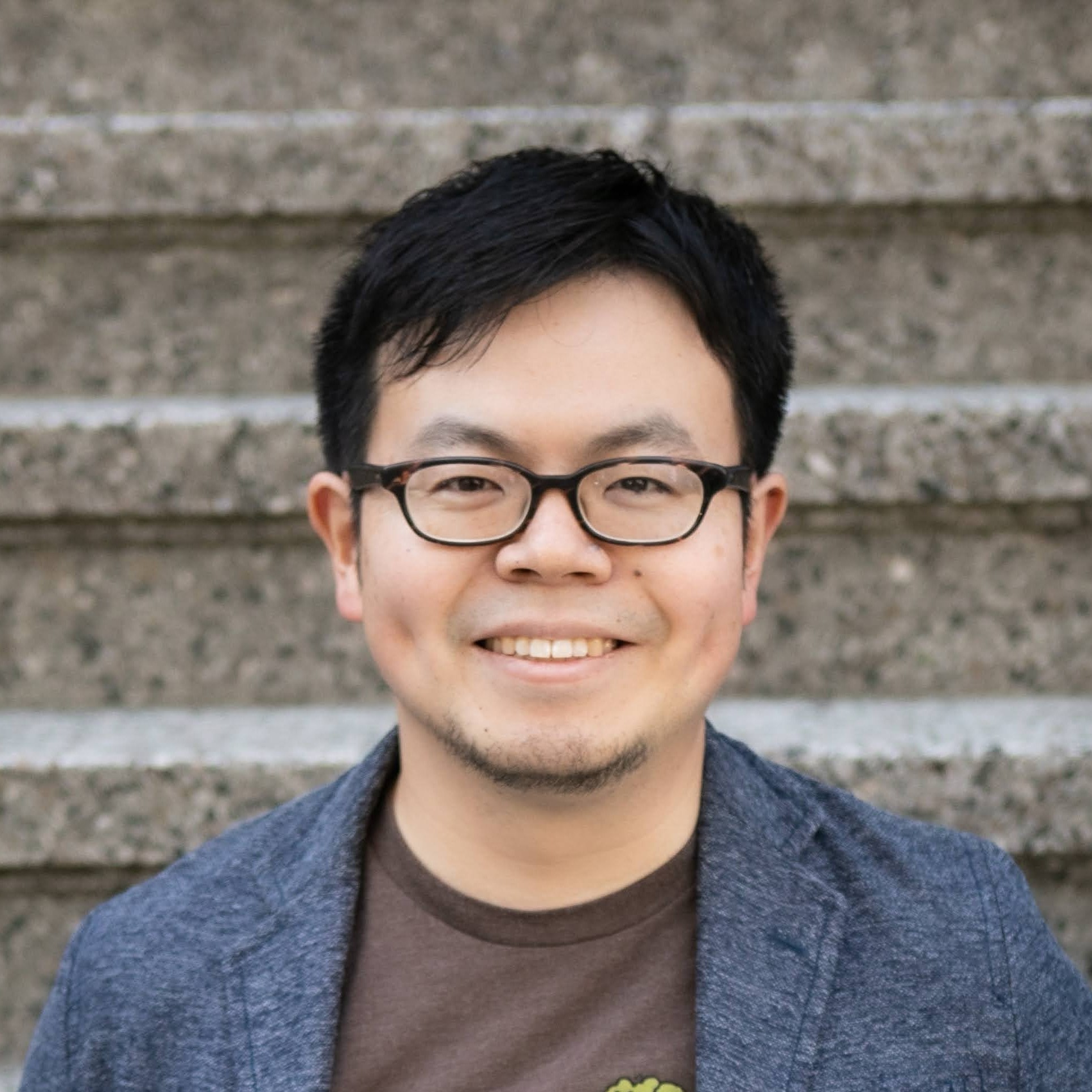
Hiroshi Kuriki is an Oncology Biostatistics Professional at Chugai Pharmaceutical Co., Ltd. He has more than 16 years of experience in biostatistics and drug development, supporting both early-stage and late-stage clinical development programs across oncology and hematology. In his role, Hiroshi works closely with cross-functional teams to support evidence-based decision making throughout the drug development lifecycle. From 2019 to 2022, Hiroshi was seconded to Genentech Inc. and worked in PD Data Sciences, contributing to global development programs in cancer immunotherapy and cross-functional working groups. Through this experience, he has been closely involved in the design and analysis of trials, including approaches such as RPSFT, where treatment switching and other post-randomization intercurrent events, common in immuno-oncology settings, can complicate the interpretation of overall survival. His professional interests include statistical approaches to appropriately assess overall survival as an efficacy endpoint, application of the ICH E9(R1) estimand framework to address intercurrent events such as treatment switching, and methods to reduce selection bias and time-dependent confounding in the estimation of treatment effects. He is also interested in dose optimization and advancing collaboration across functions to support robust benefit-risk assessment in oncology drug development.
Mitsuaki Machida, MS
Panelist: Shionogi & Co., Ltd. / Japan Pharmaceutical Manufacturers Association (JPMA) Expert Team
Biography
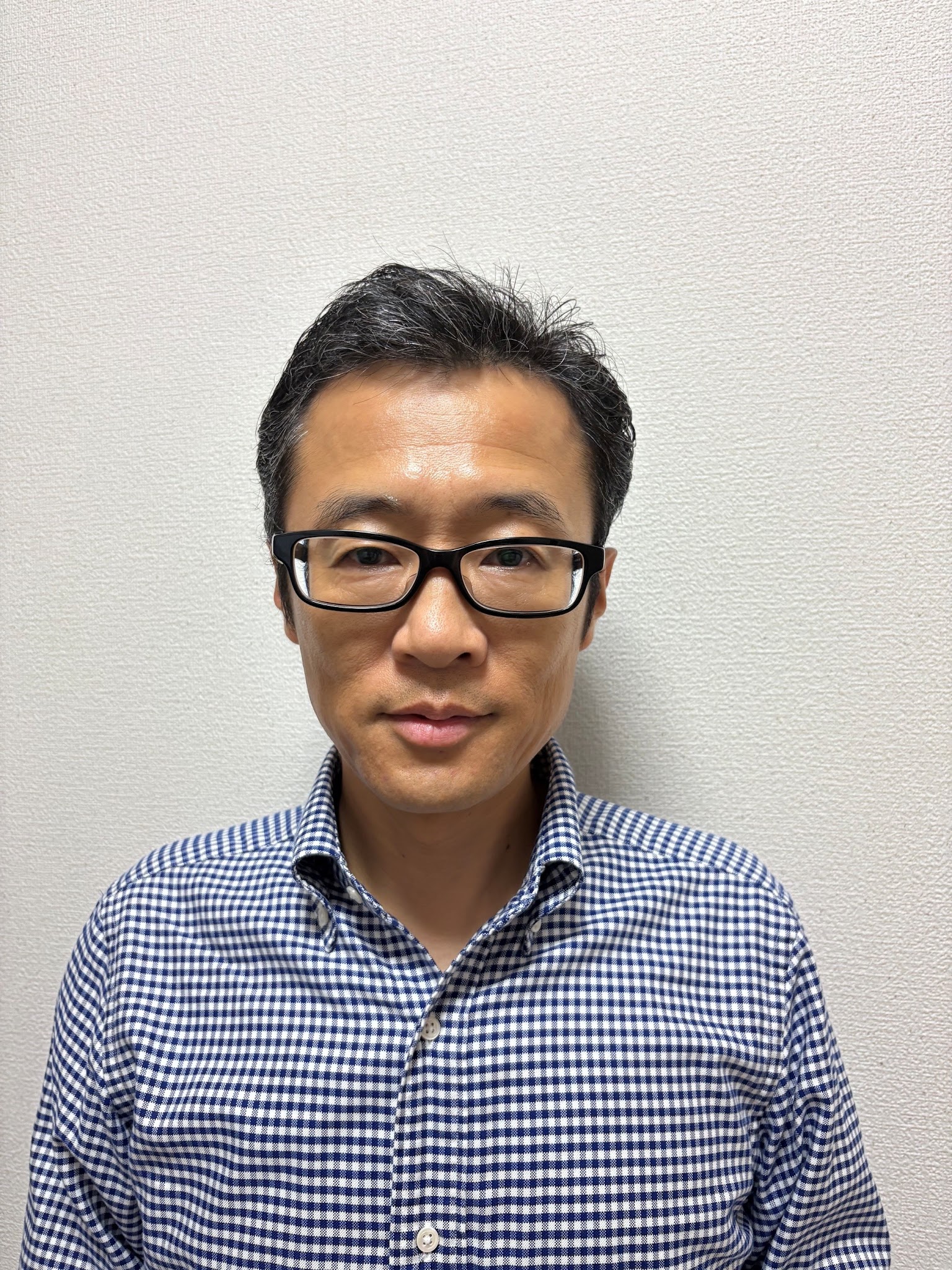
Mitsuaki Machida is a Senior Manager in the Biostatistics Department within the Drug Development and Regulatory Science Division at Shionogi & Co., Ltd. With more than 25 years of experience in pharmaceutical research and development, he has held roles spanning biostatistics, statistical programming, and clinical data management. He has worked in both Japan and the United States and has supported global clinical development programs across a variety of therapeutic areas. His expertise spans clinical trial methodology, regulatory submissions, and evidence generation throughout the drug development lifecycle.
Since 2018, he has actively participated in working groups of the Japan Pharmaceutical Manufacturers Association (JPMA), contributing to methodological discussions on clinical trial design and statistical approaches for rare diseases and regenerative medicine products. He has also been involved in evaluating health technology assessment (HTA) methodologies and their practical application, with a particular interest in indirect treatment comparisons for cost-effectiveness evaluations. He currently serves as a member of the HTA Data Science Expert Team in JPMA, where he contributes to the assessment of advanced methods for addressing treatment switching and other complex challenges in survival analysis to support healthcare decision-making and evidence-based market access.
Hideaki Takahashi, MD
Panelist: National Cancer Center Hospital East, Japan
Biography
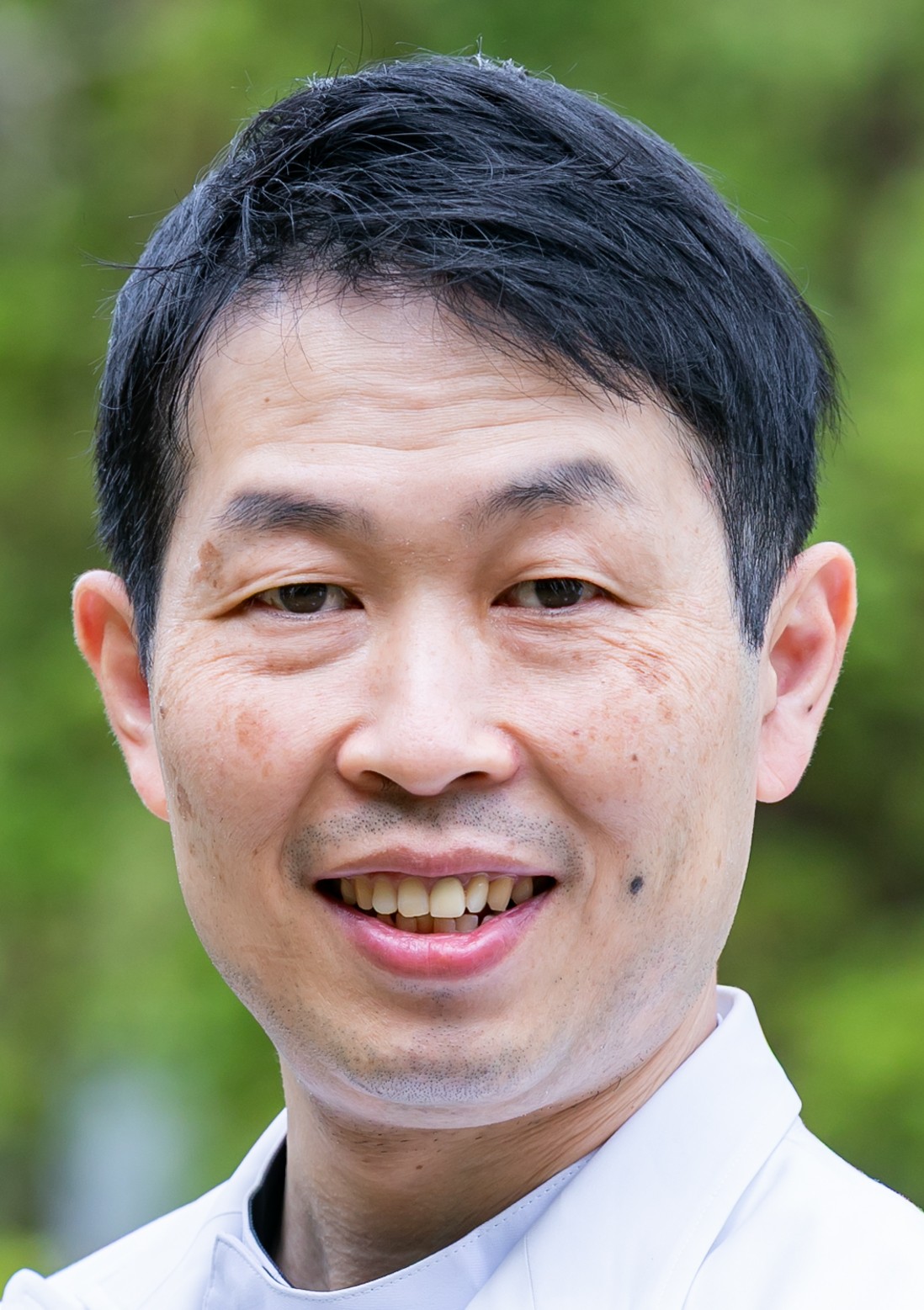
Hideaki Takahashi, MD, is Section Head of the Regulatory Affairs Management Section at the National Cancer Center Hospital East, Japan. He previously served for seven years (2018-2024) as a Medical Reviewer in the Oncology Division of the Pharmaceuticals and Medical Devices Agency (PMDA), where he conducted clinical reviews and regulatory consultations for anticancer drugs and participated in numerous regulatory decision-making processes. Prior to joining PMDA, he worked as a medical oncologist at the National Cancer Center Hospital East and contributed to oncology drug development from early-phase to late-phase clinical trials. Drawing on experience from both clinical practice and regulatory review, he has extensive expertise in the assessment of oncology clinical trial evidence for regulatory purposes, including the interpretation of overall survival outcomes in benefit-risk assessment and drug approval decision-making.
Mey Wang, PhD
Panelist: Academia Sinica Data Science Statistical Cooperation Center, Taiwan
Biography
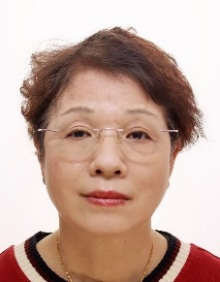
Dr. Mey Wang is currently an expert and scholar at the Academia Sinica Data Science Statistical Cooperation Center. Prior to her retirement in 2020, she held the position of Senior Statistical Reviewer at the Center for Drug Evaluation (CDE) in Taiwan. Dr. Wang embarked on her career at CDE after completing her PhD in Biostatistics from National Taiwan University in 1998. From 2005 to 2012, she served as a team leader within the Division of Clinical Science, overseeing the review and evaluation of clinical trial protocols and New Drug Applications, as well as participating in the development of new regulations. From 2014 to 2019, she was a member of the ICH E9(R1) Expert Working Group.
Alongside her regulatory work, Dr. Wang has been active in statistical research. Her major research interests encompass the design and statistical methods for multi-regional clinical trials (MRCTs) and bridging studies, adaptive design, and epidemiological methods. She has given many invited presentations and short courses for statisticians and non-statisticians within and beyond the CDE.