Invited Session 7: Development of AI-powered prognostic and predictive biomarkers to guide treatment
1:40-3:00 PM, November 23, 2026; Room 10A-D
Shivaani Kummar
Moderator: Director, Knight Cancer Institute, Oregon Health & Science University
Biography
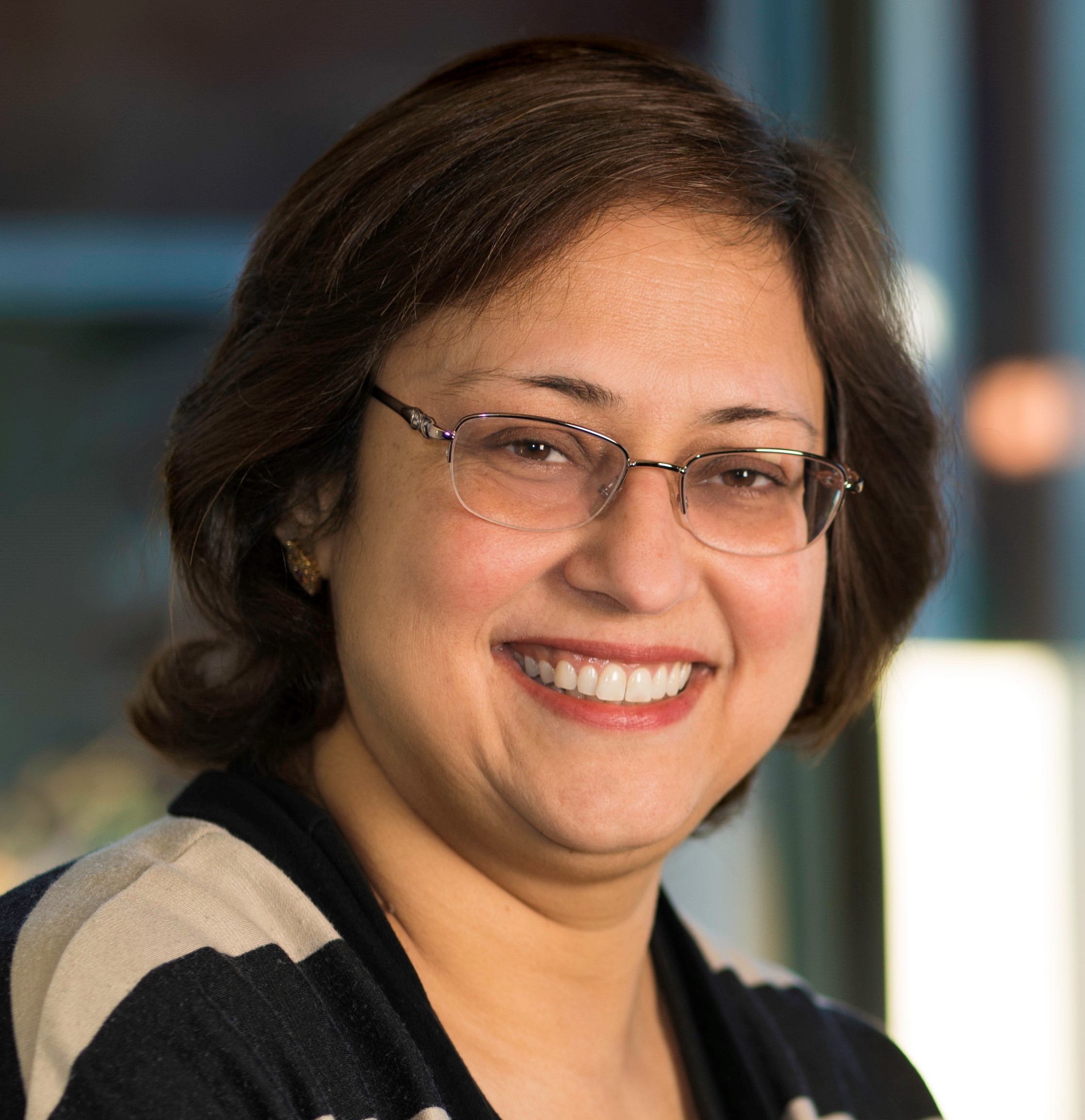
Dr. Shivaani Kummar is Director, Knight Cancer Institute, Chief Scientific and Academic Officer, Knight Cancer group, Margaret and Lester DeArmond Chair of Molecular Oncology, Division Chief of Hematology and Medical Oncology, co-Director of the Center of Experimental Therapeutics, Oregon Health & Science University (OHSU), Portland, Oregon, USA.
Prior to joining OHSU in 2020, she was on faculty at Yale University Cancer Center (2000-2004), served as Head, Developmental Therapeutics Clinic, National Cancer Institute, NIH (2004-2011), Head of Early Clinical Trials Development Office of the Director, Division of Cancer Treatment and Diagnosis, National Cancer Institute, NIH (2011-2015), Professor of Medicine and Director of the Phase 1 Clinical Research Program and Translational Oncology Program at Stanford University, Palo Alto, California (2015-2020).
She specializes in conducting pharmacokinetic and pharmacodynamic driven first-in-human trials tailored to make early, informed decisions regarding the suitability of novel molecular agents for further clinical investigation. She has authored 200 peer reviewed publications, 9 book chapters, and co-edited a book on ‘Novel Designs of Early Phase Trials for Cancer Therapies’. She is a member of the Scientific Planning Committee, American Society of Clinical Oncology (ASCO), member, National Cancer Policy Forum, National Academies of Sciences, Engineering and Medicine, Member, among others.
Learnings from AI diagnostic test development in oncology: What are foundational models and where do they add value, pros and cons of multi-omics
Speaker: Timothy J. Taxter, Tempus AI
Biography

Dr Taxter is the Executive Medical Director of Algorithmic Diagnostics at TempusAI where he leads the development and clinical deployment of diagnostic, prognostic and predictive biomarkers in oncology as laboratory developed tests or companion diagnostics for pharmaceutical and biotech partners. Dr Taxter is also an advisor for Portal Innovations and Artan Bio, and Director of translation research for the American Board of Precision Medicine. Dr Taxter attended Fellowship in Development Therapeutics and residency in Clinical Pathology at Northwestern Memorial Hospital. Dr Taxter attended Internal Medicine internship at University of Illinois at Chicago. Dr Taxter received his B.S. in Biology and M.D. from the University of Florida. Dr Taxter received his MBA from the Kellogg School of Management and was a Zell fellow.
AI-Powered Infrastructure to Leverage Real-World Data for Optimizing and Accelerating Clinical Trials
Speaker: Yong Chen, University of Pennsylvania Perelman School of Medicine
Biography
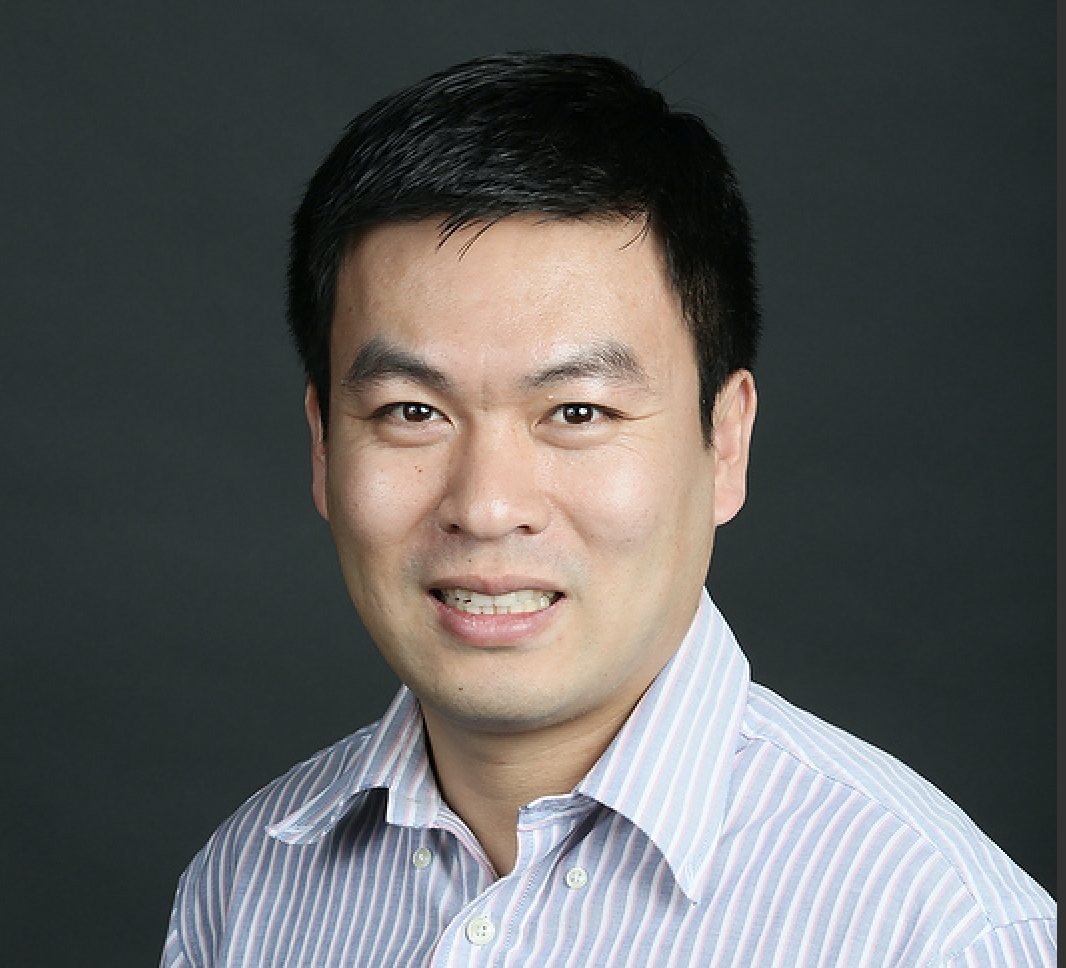
Dr. Yong Chen is Professor of Biostatistics and Biomedical Informatics at the University of Pennsylvania Perelman School of Medicine and Founding Director of the PennCIL Lab (Penn Computing, Inference and Learning) and a type-I center CHASE (Center for Health AI and Synthesis of Evidence) with 30 trainees and staff. His research focuses on distributed inference and federated learning for multi-institutional collaborations, causal machine learning and translational sciences. His work on real-world data has been featured by The New York Times and TIME, and one of the studies he led was selected as a Top 10 Clinical Research Achievement in the US by the Clinical Research Forum in 2026. He is an elected fellow of the ASA, IMS, ACMI, AMIA, ISI, and RSM.
Abstract
TBD
Harnessing Digital Twins and Machine Learning for AI-Powered Precision Medicine
Speaker: Ying Yuan, The University of Texas MD Anderson Cancer Center
Biography
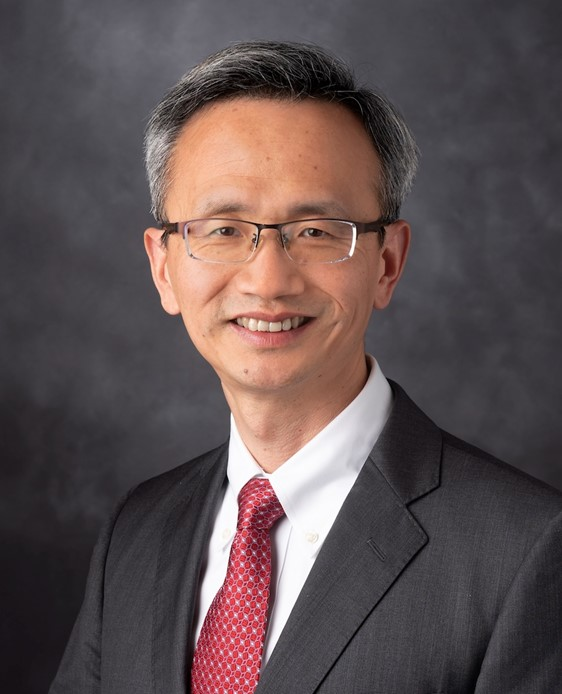
Ying Yuan is the Bettyann Asche Murray Distinguished Professor and Chair of the Department of Biostatistics at the University of Texas MD Anderson Cancer Center. Dr. Yuan is internationally renowned for his pioneering research in innovative Bayesian adaptive designs, including early-phase trials, seamless trials, biomarker-guided trials, hybrid control trials, Bayesian borrowing of historical data, and surrogate endpoints. The designs and software developed by Dr. Yuan’s lab (www.trialdesign.org) have been widely adopted by medical research institutes and pharmaceutical companies. Among these, the BOIN design, developed by Dr. Yuan’s team, is a groundbreaking oncology dose-finding method recognized by the FDA as a fit-for-purpose drug development tool. The BOP2 design is also widely used for efficacy and toxicity monitoring in early phase trials. Dr. Yuan is a member of the FDA Advisory Committee for Genetic Metabolic Diseases, an elected Fellow of the American Statistical Association, and the lead author of two books: Bayesian Designs for Phase I-II Clinical Trials and Model-Assisted Bayesian Designs for Dose Finding and Optimization, both published by Chapman & Hall/CRC.
Molecular profiling of biopsy specimens and machine learning predict the response of chemotherapy of upper GI cancers.
Speaker: Hidewaki Nakagawa, RIKEN
Biography
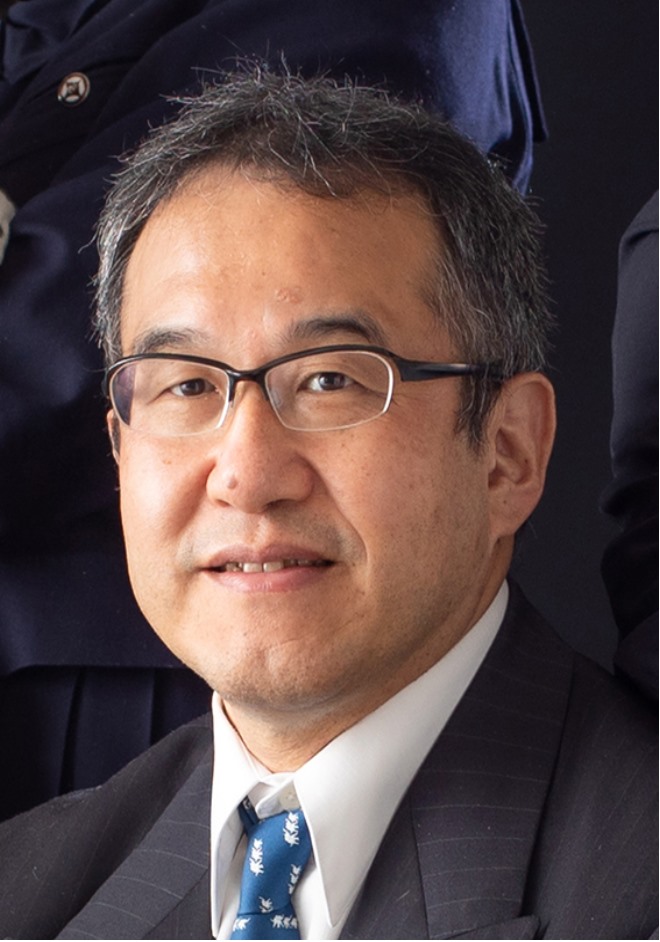
Dr. Nakagawa graduated from Osaka University and completed training in clinical oncology as a GI surgeon. After obtaining his PhD for hereditary cancer, he had postdoctoral training (1999-2003) for cancer genomics at Ohio State University, USA. In 2003, he returned to Japan as an assistant professor at The University of Tokyo, where he was dedicated to therapeutic target screening for cancers. In 2008, he moved to RIKEN as a team leader of genomic medicine and his research has been focusing on cancer hereditability and cancer whole genome sequencing for GI cancers, liver cancer, and urological cancers. He has been working for international large-scale cancer genome sequencing project ICGC/TCGA. He is now interested in cancer immuno-genomics by single-cell and spatial technologies and medical implementation of genomic technologies.
Beyond AUC: What It Takes to Bring AI-based Biomarkers into the Clinic
Speaker: Shannon McWeeney, Oregon Health & Science University
Biography

Dr. Shannon McWeeney, Professor at Oregon Health and Science University (OHSU), is a methodologist working at the intersection of computer science, biostatistics and genetics to develop approaches to solve research bottlenecks and novel ways to visualize and interpret information. Her work on novel computational methods and frameworks for prioritization is one of her most significant contributions to science. While these methods were initially applied to precision medicine (cancer), they have wide applicability for target identification and therapeutic prioritization for many complex traits. In 2010, Dr. McWeeney was selected as a Kavli Frontiers Fellow by the US National Academy of Sciences for these contributions. Dr. McWeeney is the inaugural Chief Data Officer and Associate Director of Data Science for the OHSU Knight Cancer Institute and has a career-long commitment to data sharing and patient engagement. She served as a member of the Enhanced Data Sharing working group for the NCI Blue Ribbon Panel for White House Moonshot Initiative and as a member of the Biden Cancer Initiative Data Sharing and Patient Empowerment workstream. In 2020, she was named the Director of Medical Bioinformatics for the OHSU Knight Precision Oncology Program, in which she is responsible for the hardening and validation of assays, algorithms and models in the transition from research analytics to CLIA. She is a M-PI for OHSU’s NCI Acquired Resistance to Therapy Network (ARTNet), which arose from her collaborative work for over a decade as part of the OHSU BeatAML program. She is also an MPI for the NIH Bridge2AI AI-READi Salutogenesis Data Generation Project, collaboratively working to develop automated tools to accelerate the creation of FAIR (Findable, Accessible, Interoperable, and Reusable), CARE (Principles for Indigenous Data Governance) and ethically sourced data sets for machine learning and artificial intelligence.
Additional speaker biographies, presentation titles, and abstracts will be posted when received.